
Most startup brands look the same because they all use the same buzzwords, offer vague promises, and all have the “we’re disrupting X traditional industry” tagline written in that same tired sans-serif font over a fancy background. It’s the visual equivalent of owning a black t-shirt.
However, people don’t invest in ideas, they invest in stories they believe in—humans are drawn to emotional human stories solving a pain point.
Thus, if your brand doesn’t make people believe in something—if it’s confusing, buzzy, or
forgettable—no amount of paid ads or VC funding will save you. This is how most startups end up spiraling downwards.
So, how can you build a startup brand that consistently attracts the right audience and builds a
community of paying customers?
Stop Trying to Look Big. Start Being Authentic.
The temptation to instantly project Fortune 500 energy is great. You may want to copy Apple’s tone, borrow Stripe’s minimalist design, and try to sound like you have a team of 500 on the top floor of the best skyscraper when it’s just you, your laptop, and a dream fueled by cold tea.
However, people don’t connect with big, they connect with emotional and authentic stories. So it’s okay being the small brand that knows what it’s doing—solving a problem. Not the corporate tone without human touch. For startups, authenticity isn’t a strategy but a massive competitive advantage.
For example, The Cluebox Rule is to keep it clear and simple because clarity builds credibility
and pretending creates confusion.
Define Your One-Line Promise (If You Can’t Say It Simply, Stop Talking)
If a potential customer can’t explain what your startup does in one crystal-clear line, you’ve already lost them to distraction.
You don’t need a mission paragraph, you need a promise—a clear purpose. Something so clear, so sticky, that your customers can repeat it word-for-word at brunch with zero hesitation.
Bad: “We leverage proprietary cloud-based solutions to optimize core HR functions for scalable enterprises.”
Good: “We help small businesses manage payroll without the headaches.”
See the difference? That’s it. No jargon. No fluff. If you can’t explain your product simply, stop blaming the market—it’s your positioning.


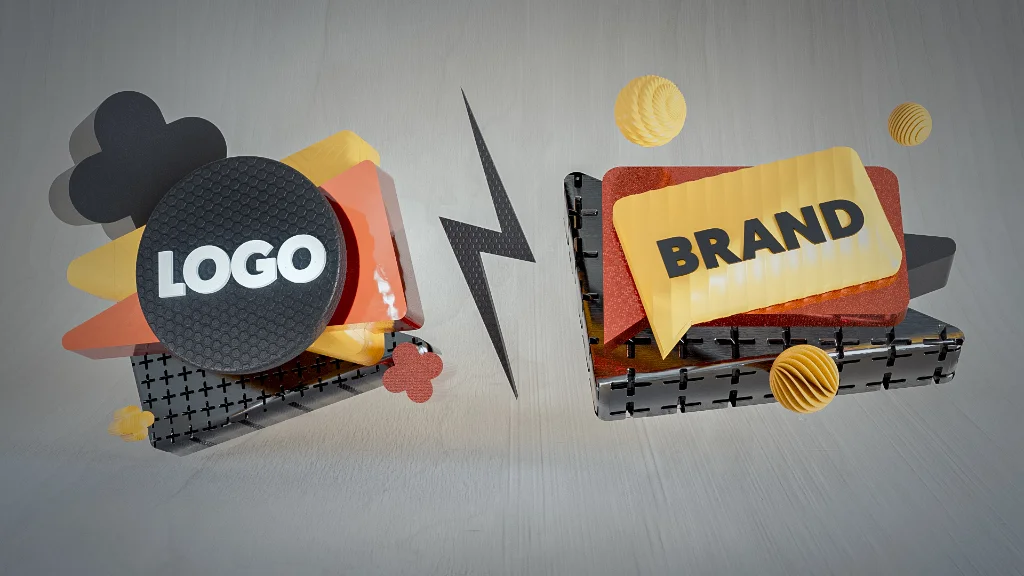
Make Your Brand Feel Like an Experience, Not Just a Fancy Logo
Logos are necessary but—emotional—stories sell.
Your brand should feel like something specific—confident, helpful, witty, bold. From your tone of voice to your onboarding email sequence, every single detail should say one thing: we get you.
That’s the threshold where customers decide if you’re just another product they use, or a brand they will genuinely root for.
.
Good branding makes people recognize you. Great branding makes them remember you.
Storytelling = Sales (But Only if It’s Actually True)
Don’t just tell your origin story—tell your why. Why did you start this? Why does this product have to exist now? What problem made you so angry you decided to build the solution?
The more specific your pain, the more universal the solution becomes.
People might glaze over when you say you’re “innovative,” but they will absolutely care that you built this product after watching your mom struggle with confusing invoices every single week or because your grandma couldn’t figure out how to save her stew recipe. That is what turns your startup from “interesting” to genuinely investable.
Choose Consistency Over Creativity (The Unsexy Secret)
Creativity is great for getting initial attention. Consistency is how you keep it and turn it into recognition.
Before you start experimenting with new colors or rewriting your tagline every month, make sure your brand is saying one thing, everywhere, always.
Your visuals, your copy, your customer support experience—all of it must resound the same tune. That simple, relentless consistency is how small, scrappy brands become big, trusted ones.
Choose Consistency Over Creativity (The Unsexy Secret)
If your product is about speed, your messaging should feel fast and frictionless. If your product is about peace of mind, your visuals should feel calm and uncluttered.
Your brand shouldn’t just describe your product—it should embody it.
The way people feel about your brand is the way they will subconsciously assume your product works. That’s brand strategy, not luck.
Final Thought: Don’t Be Boring.
Building a startup brand that converts and builds a community isn’t about chasing fleeting trends but owning your authenticity, clearly defining your promise, and saying it so distinctly that your customers can’t forget it.
That’s what we help pioneering brands do at Cluebox—we tell stories that don’t just sound
good, but actually work.
Because boring? Yeah, that’s just not in our vocabulary.
Ready to build a brand people truly believe in?